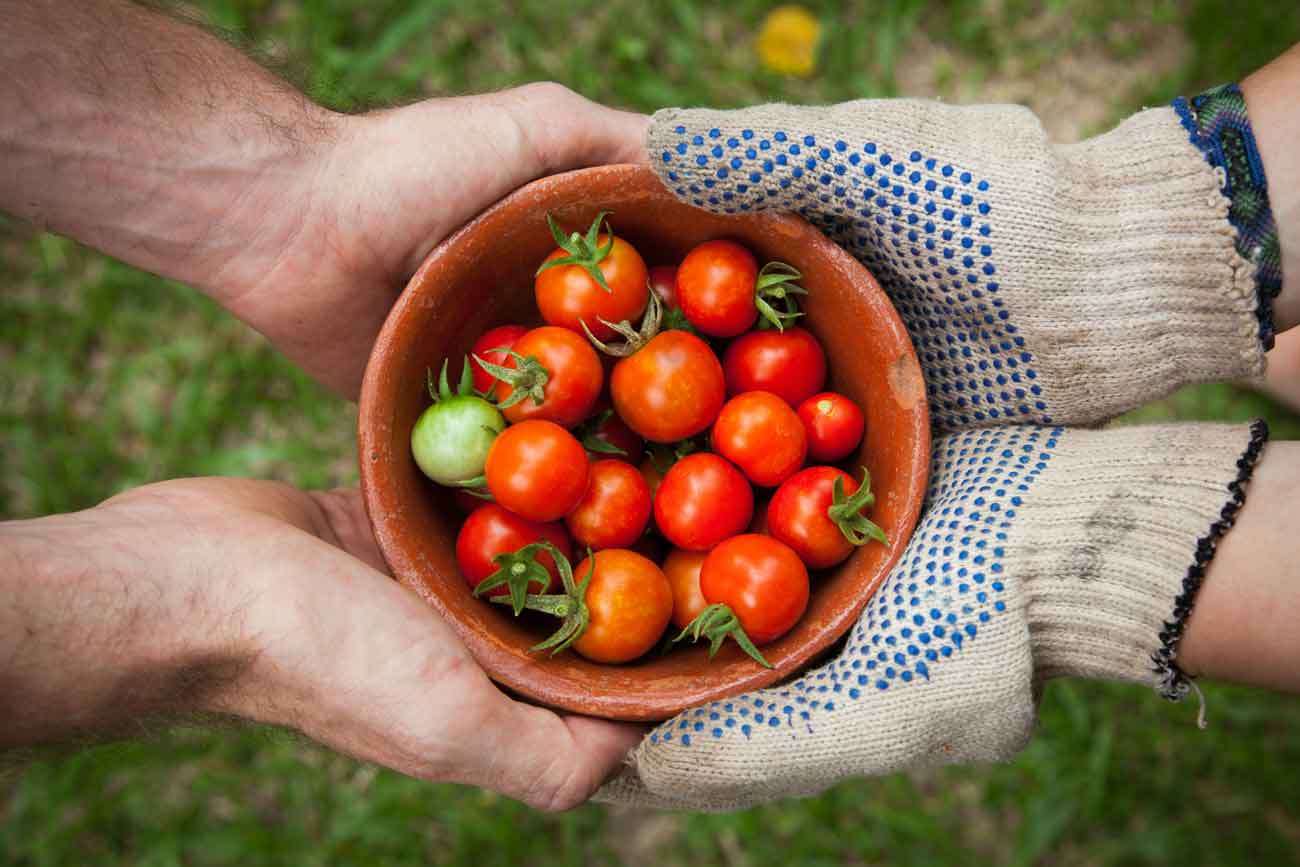
Every Christmas we sing about them and set them in nativity scenes: three gifts carried across the desert to a child in Bethlehem. Gold makes sense. But what is myrrh, what is frankincense, and why would anyone bring them to a baby?
So what is myrrh? Myrrh is a fragrant resin, a hardened sap taken from a thorny tree called Commiphora myrrha. In the ancient world it was used to treat wounds and to prepare bodies for burial. Frankincense is a similar resin from the Boswellia tree, burned as incense in temples. Together with gold, these gifts were not random. Each one said something about who Jesus is.
This post walks through the gold, frankincense and myrrh meaning as it was taught at illuminate church in Kissimmee during our Christmas series The One and Only. The big idea of the series is a question worth sitting with: you may know Jesus as Savior and as baby Jesus, but do you know Him as King?
If you only have a minute:
- Gold says "King." It was the gift brought to royalty, and it points to Jesus as the greater King.
- Frankincense says "God." It was burned only for God in the temple, and it points to Jesus as divine and as our High Priest.
- Myrrh says "Savior." It was used for healing and burial, and it points to Jesus' suffering and death for us.
- Each gift is also an invitation. Bring Jesus your treasure, your prayers and your sacrifice.
Who Were the Magi?
The gifts appear in one short scene in the Gospel of Matthew, chapter 2. Visitors called Magi travel from the east, asking where the newborn "king of the Jews" is, because they saw his star rise. When they find the child, they worship Him.
"On coming to the house, they saw the child with his mother Mary, and they bowed down and worshiped him. Then they opened their treasures and presented him with gifts of gold, frankincense and myrrh." (Matthew 2:11)
We often call them "wise men," but the word Magi points to something more specific. In this message, they were described as a priestly class of scholars and astronomers from the region of Persia and Babylon. In that culture, the Magi were known as king makers: a new ruler was not considered truly king until the Magi recognized him.
Almost everyone missed the birth of Jesus. But the very people whose job was to recognize kings traveled a long way to bow before a child, and they did not come empty handed.
Gold, Frankincense and Myrrh Meaning: Three Gifts, Three Declarations
Bringing gifts to a king was an ancient practice. When the queen of Sheba visited King Solomon, she brought gold, spices and precious stones (1 Kings 10).
Gold: Jesus Is King
Gold was the gift brought to royalty, and in the first century it was far rarer than it is today. A chest of gold for a baby would have been an extravagant, king-level gift that stunned anyone who heard about it.
Gold also covered the inside of Solomon's temple. In this message, the Magi's gold was described as a sign that Jesus is the greater Solomon and the new temple. Jesus Himself said, "something greater than Solomon is here" (Matthew 12:42).
What Is Frankincense? The Gift for God
Frankincense is a resin from the Boswellia tree, found mostly in parts of Africa and Asia. The English name comes from Old French and is often explained as "pure incense." Across the ancient world, it was the incense considered pure enough to burn as an offering to a deity.
In Israel, God told Moses exactly how to make the sacred incense for His tent of meeting, and frankincense was part of the recipe. That blend was holy and belonged to God alone.
"Then the Lord said to Moses, 'Take fragrant spices, gum resin, onycha and galbanum, and pure frankincense, all in equal amounts.'" (Exodus 30:34)
Incense also played a role on the Day of Atonement, the one day each year the high priest entered the Most Holy Place, the inner room of the temple where God's presence rested. He carried burning coals and fragrant incense so that a cloud of smoke would cover him in God's holy presence (Leviticus 16:12-13).
By giving frankincense to a baby, the message explained, the Magi were declaring that this child is God in human flesh, the Priest-King who would offer Himself for the world. When Jesus died, "the curtain of the temple was torn in two from top to bottom" (Matthew 27:51). What was once approached one day a year under a cloud of incense is now open to us through Jesus.
What this means for you
If Jesus is King, bring Him your gold. That means living as a son or daughter of the King, walking in obedience, and giving your treasure, not equal amounts but equal sacrifice. If Jesus is God and High Priest, bring Him your frankincense. Scripture compares prayer to incense, and prayer is more than a list of requests. It is time spent with the One who loves you.
"May my prayer be set before you like incense; may the lifting up of my hands be like the evening sacrifice." (Psalm 141:2)
Revelation pictures the same thing in heaven, where golden bowls full of incense "are the prayers of God's people" (Revelation 5:8). We explored that scene in Worthy Is the Lamb: What Revelation 4 and 5 Reveal About Jesus, and if you want a practical place to start praying, try the STRONG prayer method.
What Is Myrrh? The Gift That Pointed to the Cross
Gold said King. Frankincense said God. The third gift said something no one wants to hear at a baby's birth. Myrrh signifies Jesus' humanity and His death. He is the Suffering Servant.
Myrrh for Healing and for Burial
In the ancient world, myrrh had two main uses: healing wounds and embalming, slowing the decay of a body after death. In this message, myrrh was described as a natural antiseptic that fights germs and calms swelling.
So it should be no surprise that myrrh shows up again at the end of Jesus' life. After the crucifixion, two of His followers prepared His body for burial.
"He was accompanied by Nicodemus, the man who earlier had visited Jesus at night. Nicodemus brought a mixture of myrrh and aloes, about seventy-five pounds. Taking Jesus' body, the two of them wrapped it, with the spices, in strips of linen. This was in accordance with Jewish burial customs." (John 19:39-40)
A Tree Crowned With Thorns
Look closely at the myrrh tree and you will notice its branches are covered in thorns. In Genesis 3, thorns enter the story as part of the curse that came when humanity turned from God: the ground "will produce thorns and thistles for you."
Fast forward to the crucifixion. Soldiers twisted together a crown of thorns, put it on Jesus' head, and mocked Him as "king of the Jews" (Matthew 27:29). In this message, the thorns of the myrrh tree were connected to that crown: what the soldiers meant as humiliation became a picture of Jesus taking the curse of our sin on Himself.
There is one more detail. The healing resin does not simply seep out of the tree. The bark has to be cut. The tree crowned with thorns has to be pierced to release what heals.
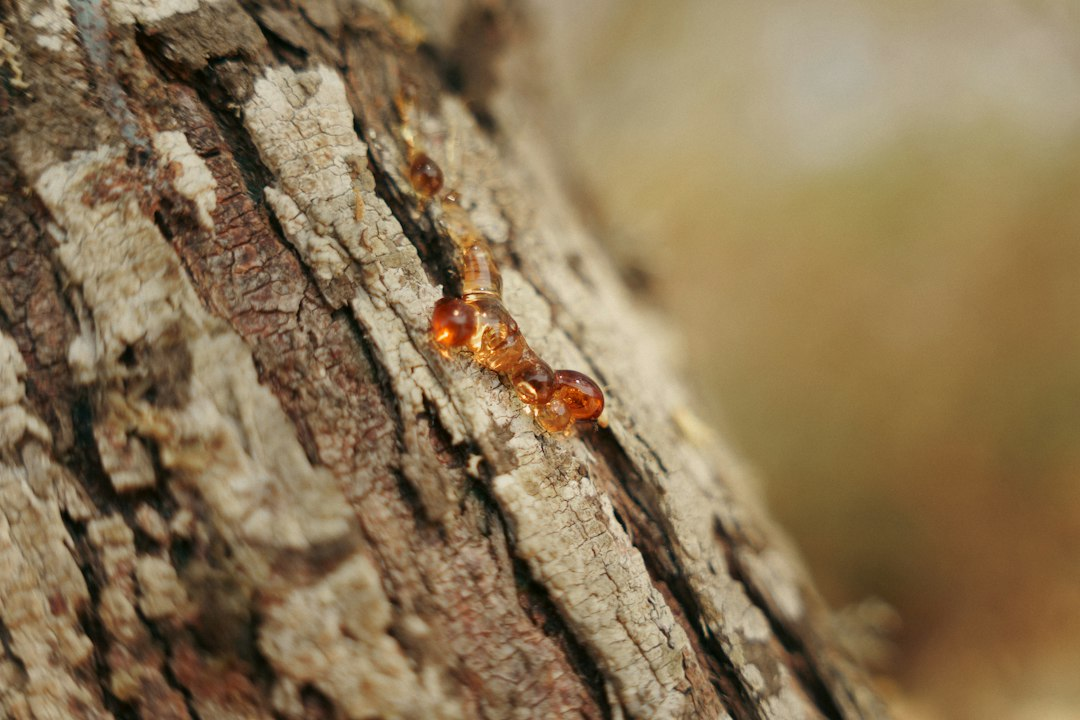
"But he was pierced for our transgressions, he was crushed for our iniquities; the punishment that brought us peace was on him, and by his wounds we are healed." (Isaiah 53:5)
Picture Mary and Joseph as the Magi open the final gift: the spice used to wrap the dead. The only way for this child to give life to us was to give His life for us.
How to Bring Jesus Your Myrrh Today
The series closed with an invitation: give Jesus these same gifts in your own way, and make the same declaration the Magi made. To bring myrrh is to bring your sacrifice. Consider how great a sacrifice Jesus made, then ask what you are willing to give up for Him.
- Your pride may suffer when you are bold about Jesus and some people think you are odd.
- Your money may suffer as you give generously, motivated by His generosity to you. (We wrote more about that in Treasures in Heaven.)
- Your time may suffer as you help a neighbor, serve in kids' ministry, or serve in the parking lot on a hot Sunday morning.
But suffering is not the end of the story. Jesus' suffering produced salvation. It was not wasted, and yours does not have to be either.
"Not only so, but we also glory in our sufferings, because we know that suffering produces perseverance; perseverance, character; and character, hope." (Romans 5:3-4)
What this means for you
Myrrh was used more often for healing than for burial. Bringing your myrrh means becoming a healer: forgiving, making peace, and bringing comfort into hard situations. Is there a relationship that needs that kind of healing this week? You only have myrrh to give because Jesus first poured His healing on you.
Is Jesus Your King?
Whoever or whatever is your king will order your life. The Magi recognized the King when nearly everyone else missed Him, and they gave Him their best. The question this Christmas is not only whether you know the story, but whether you know Him as King. Your answer shows up in the way you live and the way you give.
If you want to take a next step, start here: learn what it means to follow Jesus, let our team pray with you, or plan your visit to illuminate church in Kissimmee. We would love to meet you.
Frequently Asked Questions: What Is Myrrh and Why Did the Magi Bring It?
What is myrrh in the Bible?
Myrrh is a fragrant resin from the thorny Commiphora myrrha tree. In the Bible it appears as one of the Magi's gifts to Jesus (Matthew 2:11) and again at His burial, when Nicodemus brought myrrh and aloes to wrap His body (John 19:39-40).
What is the meaning of gold, frankincense and myrrh?
In this message, gold pointed to Jesus as King, frankincense pointed to Jesus as God and High Priest, and myrrh pointed to His humanity, suffering and death for our sins.
Why was myrrh given to baby Jesus?
Myrrh was used for healing wounds and preparing bodies for burial. Given at His birth, it looked ahead to His death on the cross, where "by his wounds we are healed" (Isaiah 53:5).